
Why Hypoallergenic Fabrics Matter
Lucy Seed
How Hypoallergenic Fabrics Support Sensitive Skin
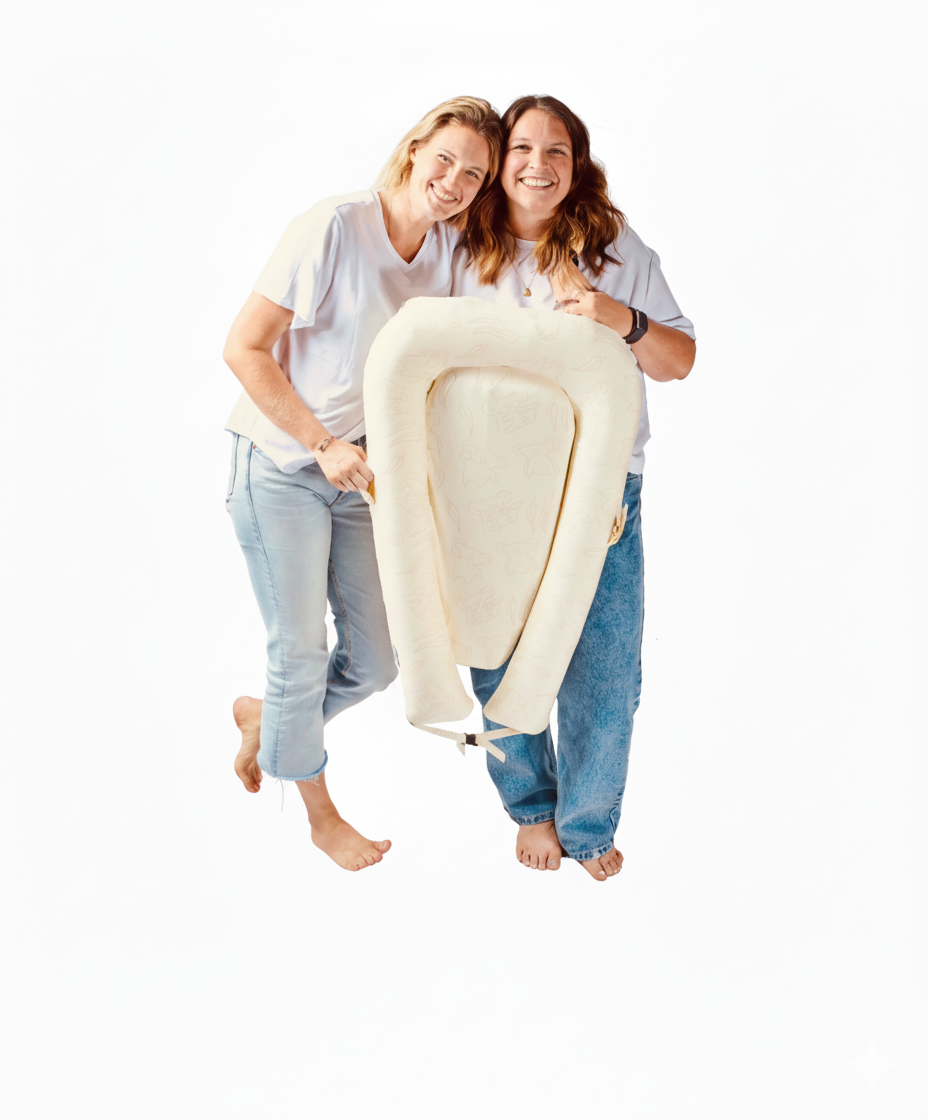
Babies are born with the most delicate skin, and their comfort hinges on the fabrics that touch them every day. Hypoallergenic fabrics, like the bamboo covers used in Koala Kuddle’s baby nests, are specifically designed to reduce the risk of irritation and rashes. These materials are gentle, breathable, and less likely to trigger reactions, offering a safe cuddle-zone for newborns and peace of mind for parents.
Choosing hypoallergenic fabrics means you’re opting for fibers that naturally resist dust mites, mold, and bacteria—all common culprits behind skin flare-ups. For bubs with sensitive skin, this extra layer of protection is not just a luxury, it’s a necessity.
Choosing the Right Hypoallergenic Fabric for Your Needs
When it comes to selecting fabrics for your little one, not all hypoallergenic options are created equal. Bamboo, for instance, stands out for its silky softness, breathability, and sustainability. Koala Kuddle’s baby nests feature hypoallergenic bamboo covers, making them an excellent choice for families who want the best protection without sacrificing comfort.
Cotton is another popular hypoallergenic choice, but it’s important to opt for organic varieties to ensure minimal chemical exposure. Always check for certifications and product details to ensure you’re truly getting a gentle, baby-safe option.
Understanding Hypoallergenic Fabrics and Their Benefits
Hypoallergenic fabrics are crafted to minimize the presence of allergens that cause irritation, sneezing, or discomfort. These fabrics undergo processes to remove potential irritants, resulting in a cleaner, safer surface for your baby to rest and play on.
Choosing products like Koala Kuddle’s inflatable baby nests with hypoallergenic bamboo covers means your little one enjoys a breathable, moisture-wicking cocoon that helps regulate temperature and keeps skin calm. These benefits extend beyond comfort—they support your baby’s overall health and happiness.
Simple Tips for Caring for Hypoallergenic Fabrics
To keep hypoallergenic fabrics performing at their best, gentle care is essential. Wash baby items in mild, fragrance-free detergents and avoid fabric softeners, which can leave residue that irritates sensitive skin. Stick to cool or warm water and use a gentle cycle to preserve the integrity of delicate fibers.
Air drying your baby’s bedding and nest covers helps maintain softness and minimizes shrinkage. Regular cleaning ensures allergens don’t build up, keeping your bub’s cozy spot fresh, safe, and snug.
Common Allergens in Traditional Fabrics
Traditional fabrics, especially those treated with harsh chemicals or made from synthetic fibers, can harbor allergens like dust mites, pet dander, and mold. These allergens easily get trapped in thick or non-breathable materials, increasing the risk of skin irritation, itching, and respiratory discomfort for sensitive babies.
By switching to hypoallergenic fabrics, parents can drastically reduce their baby’s exposure to these common irritants. It’s a simple step that makes a world of difference for comfort and overall well-being—proving that not all nests are created equal.